Die Geschichte der Ernährung klingt wie aus einem Horrorroman. Wenn ältere Menschen darüber erzählen, was vor nicht allzu langer Zeit noch als normal galt, kann man es kaum glauben. Die Ernährung hat sich herauskristallisiert als einer der wesentlichen Faktoren, der die Gesundheit und die Länge des Lebens maßgeblich beeinflusst. Diese Erkenntnis hat all das zur Folge, was man nun erlebt. Ernährung hat sich zum Statussymbol entwickelt.
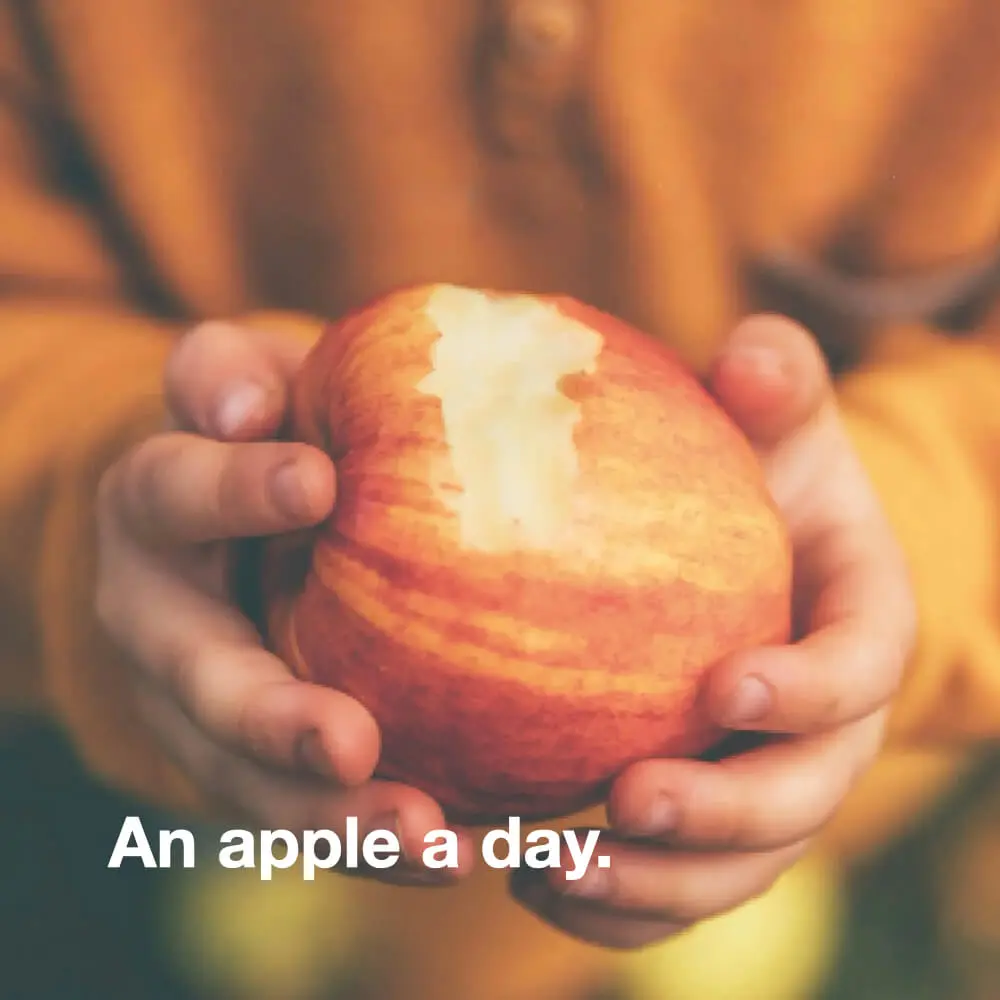
Maintaining one’s diet at a top level in terms of quality, nutritional value, and tolerance has become an expression of social status. Vegetarian, vegan, alcohol-free, sugar-free, organic, ecological, regional – and many more terms – are becoming part of everyday life for more and more people. The famous apple a day is far from enough.
The desire to eat optimally also leads down experimental paths – keyword: dietary supplements. Yet when we focus on the positive aspects of this development, it becomes clear that a healthy, balanced, and varied diet significantly enhances quality of life in many ways. And that is a good thing. For our nannies, this has a considerable impact. The days of frozen fish sticks are over. Fast food, so-called convenience food, is steadily losing importance.
Not long ago, things could not happen fast enough. Now, people take the time to prepare foods that truly deserve the name. Artificial flavorings, glutamates, substitutes, and the many “E” additives are increasingly becoming a thing of the past. What does my child eat? This question is increasingly understood as a path toward the future. It is about laying the foundations for an organism to develop optimally.
Creating the conditions for a new food culture to become the new standard. The many changes associated with this often make things more challenging for grandparents and parents than for the children themselves, because children ultimately eat what is placed on the table. The belief that what was good for us as children cannot be bad for our children today, however, significantly slows this development.
Anyone who consciously engages with research findings and considers the effects of nutrition on children’s development will quickly realize that there are not many good reasons to hold on to many aspects of past eating habits. Fortunately, there are new alternatives, opportunities, and developments that make healthy nutrition possible—with a very positive impact, especially on young children. This is because the foundations for an entire lifetime are laid particularly in the early years.
This development also positively influences parents’ awareness. Where the impulse to rethink one’s eating culture comes from is ultimately irrelevant. Perhaps future generations will be very grateful that this topic was placed so high on the agenda.
More articles