It is often said that everything used to be better in the past. Taken to its logical conclusion, that would mean everything today is worse. But is that really true? Of course not. Many things were not better in the past—simply because they did not yet exist. And many things cannot be the same as they once were, because times have changed.
This is why the “then versus now” debate is usually of little value. Those who want simple answers may rely on such generalizations. We do not. Quite the opposite. We see change as an opportunity and approach transformation with a positive mindset, because these processes happen regardless. All the more reason to adopt a constructive and productive attitude—otherwise one quickly becomes outdated.
We are convinced that many things can be done better today. And yes, not everything in the past was bad. What matters is consciously embracing change. In the past, three generations often lived under one roof. The family structure within close proximity was very different from what it is today.
Today, this is rarely possible. Grandparents are often unavailable to help with childcare or household tasks, aunts live far away, and siblings are spread across the country or the world. As a result, young families are often left on their own.
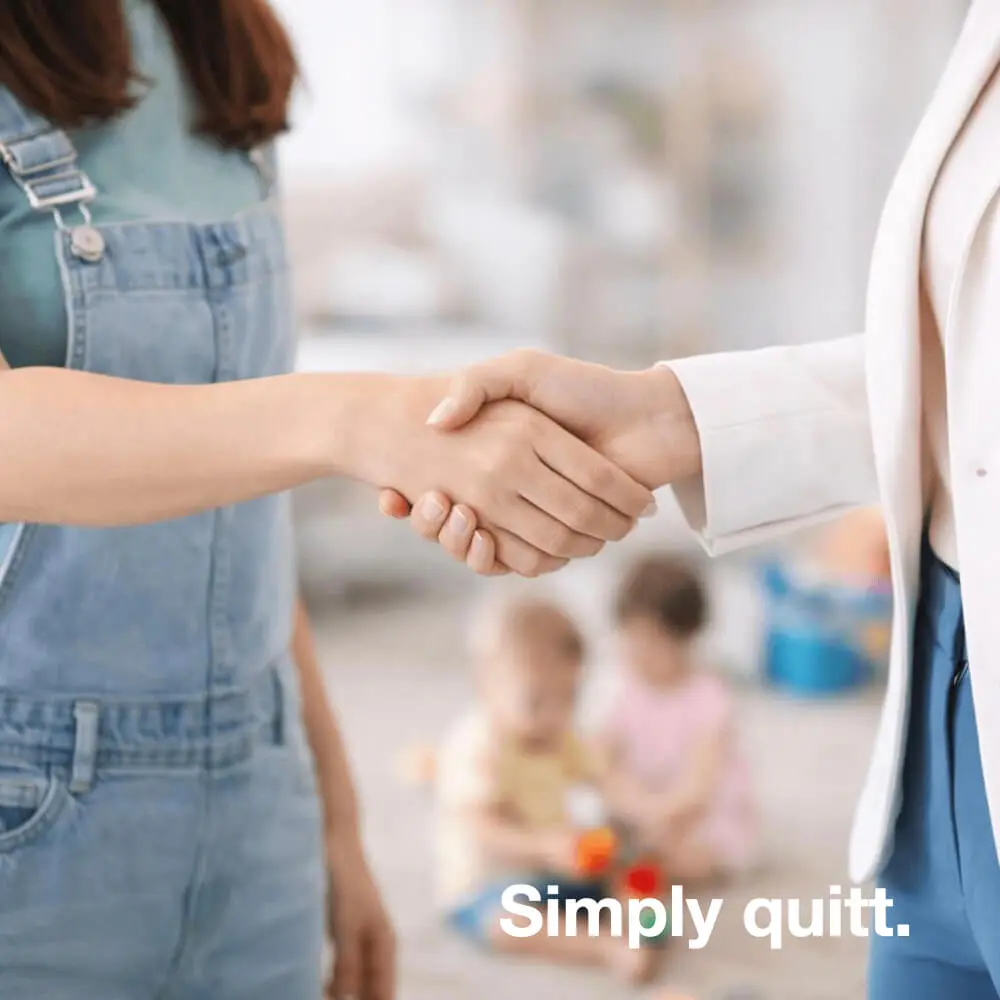
This calls for a modern, reliable solution. Where family support was once available around the clock, it is now often missing. Our answer: a modern, excellently trained nanny who also acts as a professional family manager. She can support families in childcare, education, and organization, partially replace former roles, and embody modern role models. Lost caregivers can be meaningfully compensated in this way.
Of course, this can never fully replace the love of a family. But adapted to today’s reality, a new and highly professional caregiver emerges.
That is why we choose not to dwell on whether the past was better or worse, and instead focus on what works best today, so your family has the best possible conditions to be happy. That seems far more meaningful to us.
More articles