The historical definition of family has been strongly shaped by religion and social norms. As a central pillar and core of society, the family was expected to conform to these norms. Roles were clearly defined, as were responsibilities and duties. The concept of family was almost set in stone.
Over time, many new and different family forms have emerged.
The positive aspect is this: even in transition, the family remains a fundamental building block of every free society. Marriage has taken on many different social forms. Less positive, however, is how long these new family models had to fight for acceptance—and in some cases still do.
If the discussion were focused solely on the well-being of the child, it would likely be conducted very differently. Instead, it often centers on a traditional, socialized, and learned image of family that for a long time was not meant to deviate from past norms. This traditional image had—and still has—to be overcome.
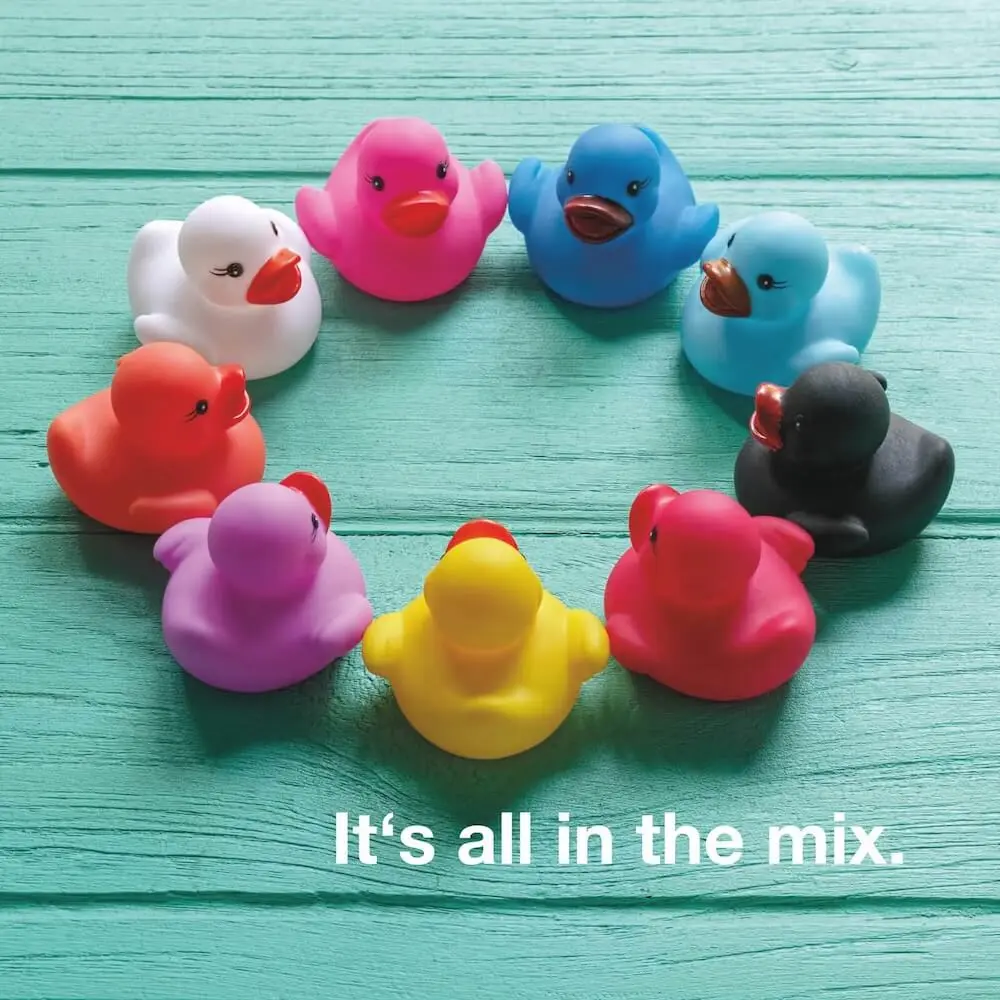
For children, it is not important to fulfill social or religious norms, but to be loved for who they are. Patchwork families, for example, are made up of several families forming a new unit. Often, both partners bring children from previous relationships, and even former partners can enrich this new family structure. What was judged negatively in the 1970s and 1980s is now part of the normal family landscape in a free society.
Considering statistics showing that, on average, every second relationship in cities and every third nationwide ends in separation, loving parenthood would be difficult without the opportunity to form new family bonds such as patchwork families.
Not to mention the fact that same-sex couples can, quite naturally, also be parents in our free society. Confrontation with outdated worldviews was to be expected, as were the resulting objections. But no one can stop the passage of time. Change happens regardless of approval. What once seemed unthinkable becomes normal—and even that normality will eventually be reshaped by time.
We do not judge these developments. Our role is to enable children to receive the most loving and professional care possible. The family constellation itself is not what matters—what matters is the genuine effort to create a harmonious environment. Ultimately, it is about children and their development. It is about providing them, in a changing society, with a family-like environment and the best possible support.
And as the saying goes: love comes without conditions.
More articles