The development of a flourishing imagination is equivalent to the development of intelligence and creativity. A proven way to train these abilities is reading aloud. It inspires, motivates, and constantly encourages children to create their own images of stories. It engages their minds: What happened? What comes next?
From distant lands. From other times. Of great dragons. Of dwarfs, wizards, and magical landscapes with castles, palaces, and knights. From the smallest unnoticed detail to entire kingdoms. Discovering emotions in all their forms and diversity. Learning to understand feelings. Not only does a special bond grow between young and old, parents and children—reading aloud in all its facets unfolds magical creative powers within a child.
At the same time, the child is encouraged to remember parts of the story: characters, places, sequences, events, actions. It learns to follow the plot. What seems playful has a deeper meaning. And this works only through reading aloud and storytelling. Practice makes perfect here as well. Through constant repetition, the child continuously learns and accumulates knowledge. In contrast, much of this is not only lost but diminishes in the digital world of smartphones, tablets, and television—because these skills are not being trained.
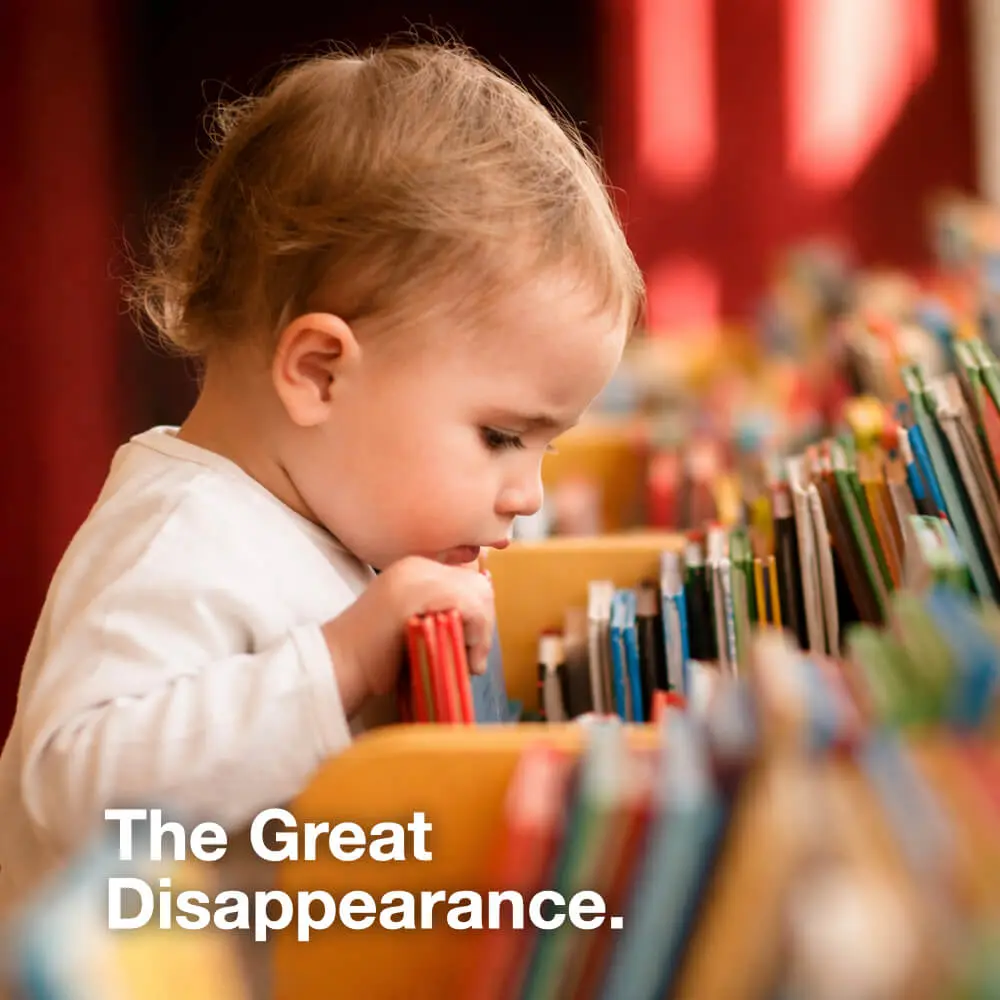
And the worst part: without the reader, an important caregiver is lost. A ritual disappears. A familiar voice at bedtime falls silent. That is why we can only urge people to keep reading aloud alive and to integrate it continuously into daily routines—constantly, consistently, and creatively.
Children should learn to form their own picture of the world so that later they are able to follow their own path according to their own ideas. Reading aloud is also an essential preparation for independent reading. Children who have been read to find it much easier to read on their own. Reading in any form should remain a fundamental part of development—just like movement, education, and nutrition.
One cannot place social and cultural expectations on the next generation without first providing access to them. That is why we are such strong advocates of reading aloud—because you can never have enough good and better people.
More articles