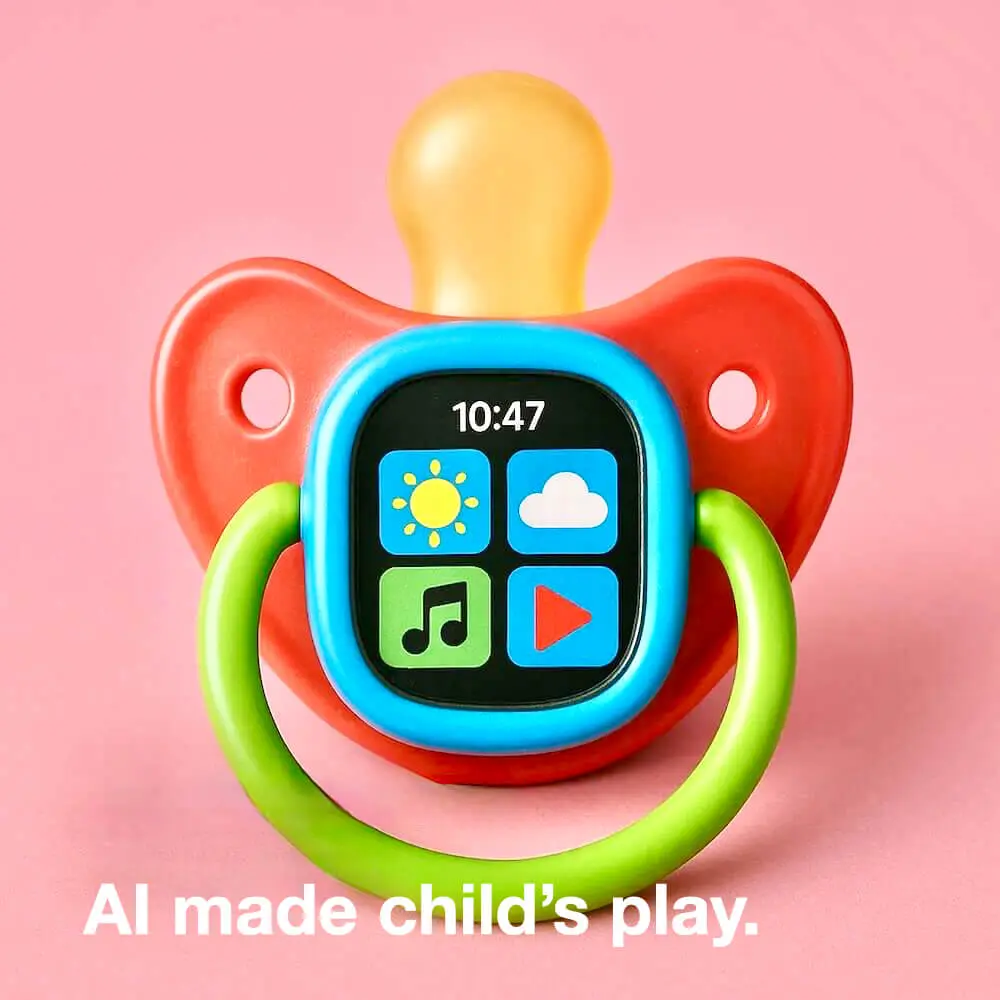
Digital Parenting: Why AI Tools Are the New “Silent Assistance System” for Young Families
Parenting in the 21st century is demanding — and surprisingly smart. Between mental load, lack of sleep, and everyday organization, more and more families are discovering artificial intelligence as a discreet form of support.
Whether it’s recipes, routines, activity ideas, or quick guidance in uncertain moments, AI helps in a practical, non-judgmental way and is available around the clock. This article explores how digital assistants can truly ease family life — and what parents should keep in mind.
AI Meets Family Life: Why Now?
In a world full of to-do lists, sensory overload, and high mental strain, many parents are looking for pragmatic yet intelligent solutions. AI tools such as ChatGPT, Keleya, or babelli respond quickly, around the clock — and without judgment.
For example:
“What should I cook tonight for my one-year-old — gluten-free, sugar-free, and quick?”
Instead of hours of googling, a chatbot provides suitable suggestions within seconds. That’s exactly what many modern parents appreciate: efficient, calm answers.
The Most Popular Areas of Use
• Everyday organization: Parents use AI-powered calendar apps like Famanice for to-dos, appointments, and family communication — ideal for patchwork families or parents with demanding jobs.
• Pregnancy & early parenthood: Apps such as Keleya, HiMommy, or the ELTERN Baby App support pregnancy and baby’s first months with videos, checklists, and tips — often even subsidized by health insurance providers.
• Healthy nutrition & routines: AI delivers recipe ideas at the push of a button, reminds parents to drink water, plan meals, or follow sleep routines — tailored to each family’s individual setup.
• Creative activities for children: Play ideas for rainy afternoons? Craft projects by age group? Bedtime stories? Chatbots provide inspiration in seconds.
• Emotional relief: Anyone with a fever-related question at 3 a.m. can get an initial assessment from AI instantly — without scrolling through parent forums or consulting Dr. Google for hours.
Between Benefit and Responsibility: What Parents Should Know
As helpful as AI can be, it does not replace medical or psychological advice
Experts recommend:
• Use AI for inspiration, not diagnosis.
• Trust your parental intuition.
• Pay attention to data protection: whenever possible, use GDPR-compliant tools, especially in German-speaking countries.
5 Recommended AI Tools for Young Parents
Keleya
Support during pregnancy and postnatal recovery
Covered by many health insurance providers → usually free
⭐ 4.6 stars (Play Store)
Babelli
Midwife-approved information on pregnancy
Completely free
⭐ 4.8 stars
HiMommy and HiDaddy
Development tracking for expectant mothers and fathers
Free to use, in-app purchases available
⭐ 4.7 stars
Famanice
Family calendar and task planner
Ideal for modern family structures
Free, Pro version available
⭐ 4.3 stars
Mamly
Mindfulness and yoga for parental leave
Free, subscription: €3.99/month
⭐ 4.5 stars
Conclusion: AI Can’t Replace Parents – But It Can Be a Wonderful Relief
Artificial intelligence is not a substitute for intuition, love, or human connection. However, it is a powerful tool that can offer parents more calm, guidance, and quality time with their children. When used thoughtfully, it becomes a silent assistant — empathetic, practical, and there exactly when you need it.
Tip: Try out a smart app and see how it can support you in everyday life — whether with meal planning, playtime ideas, or organizing your next child-free moment.
More articles