Out of sight, out of mind.
In every generation, new things become visible while others disappear. Making fire. Processing animals. Fetching water. Making clothes. When speaking with teachers and lecturers today, they observe that many pupils and students now demonstrate a very different level when it comes to writing, reading and curiosity compared to previous generations. The accusation that quickly arises is: Is this generation less intelligent than the ones before? No. These are simply the consequences of societal developments.
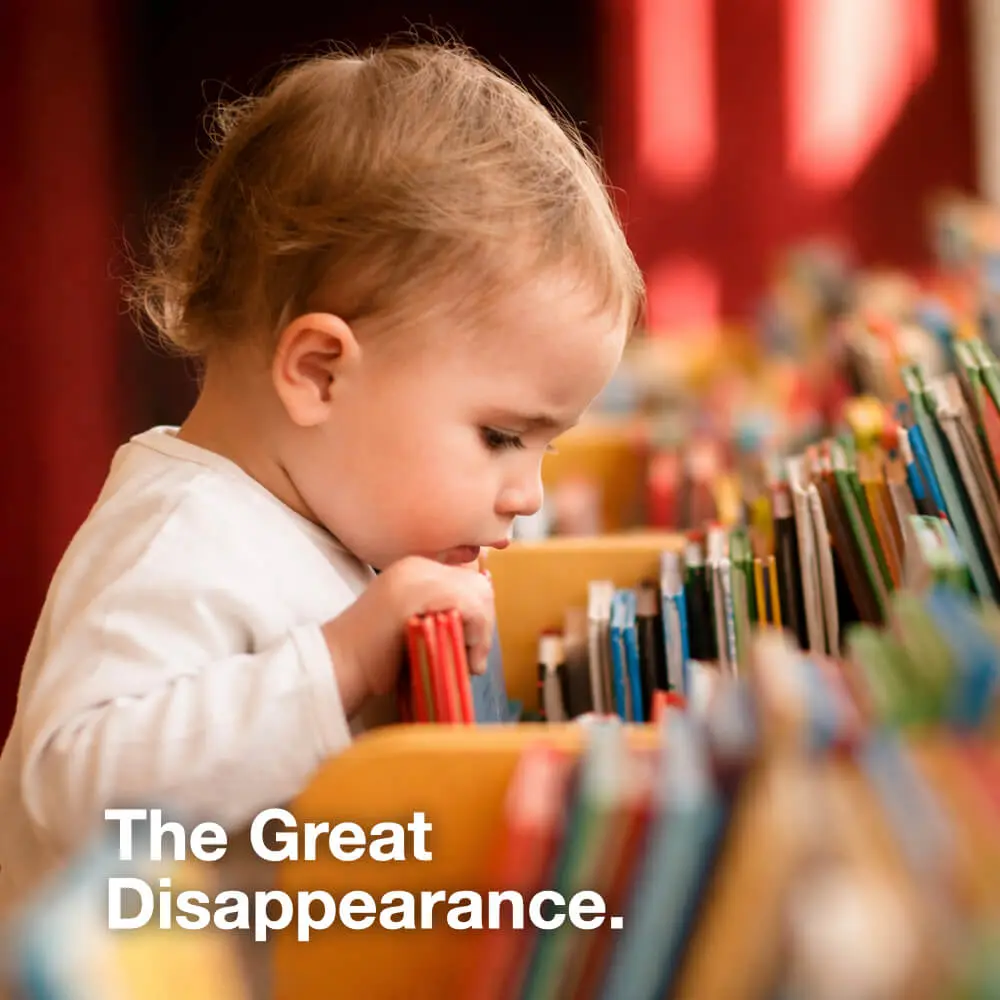
Just one or two generations ago, reading, writing and curiosity were visible everywhere. Depending on the social and cultural environment, entire walls of bookshelves filled the living rooms. In the morning the daily newspaper was read. In the evening magazines and specialist literature. When one reflects on how visible reading, writing and curiosity once were and compares that with today, it becomes clear that these aspects have largely disappeared from the visible everyday environment. The necessity remains, but the visibility has disappeared.
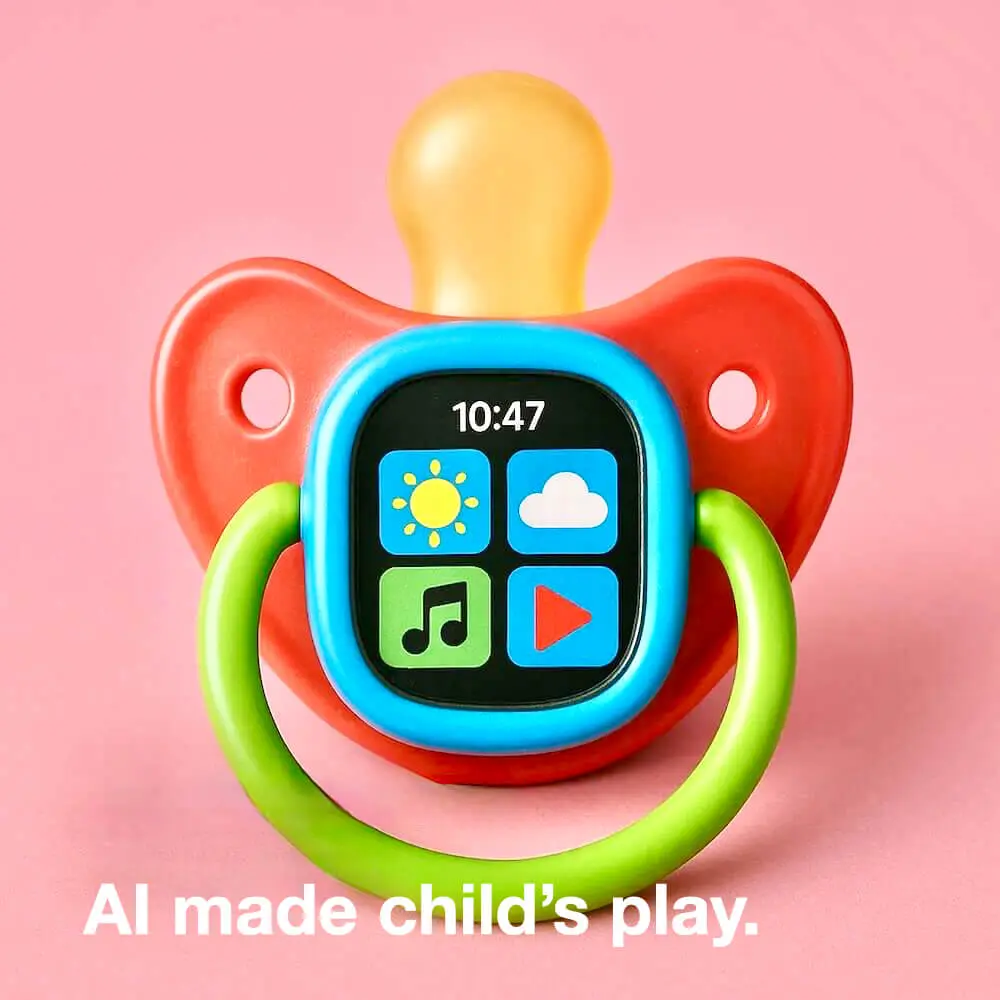
As a result, small children can no longer perceive the importance of these aspects. Looking at a screen is not reading, writing or curiosity for a small child – it is entertainment. This has consequences. Consequences that teachers and lecturers describe. Former abilities have changed dramatically and, in some cases, have turned into the opposite. Why do we describe this? Because it is a signal to actively contribute to ensuring that young children continue to learn these important abilities.
To regard them as necessary. And to see reading, writing and curiosity as something worth striving for.
Simply leaving it to schools will not work. If something disappears from everyday life, schools alone cannot compensate for it.
Since we cannot change or stop these developments and do not want to call for bans, we want to raise awareness of how important it is to enable young children to develop these abilities for a fulfilled, free and self-determined life. We believe it is important to be able to express oneself in one’s mother tongue as well as possible in every form. It strengthens self-confidence when one does not have to fear making mistakes or not being understood.
Unfortunately, the natural learning of these things has disappeared from our living environment. In the past, reading, writing and curiosity were active, visible companions in everyday life. Young children could therefore instinctively grasp their importance very quickly. This form of peripheral learning has now disappeared. That is why it must be actively encouraged. In our Nanny Academy we encourage exactly this. And we hope that young parents, mothers and families will actively support this as well.
More articles